
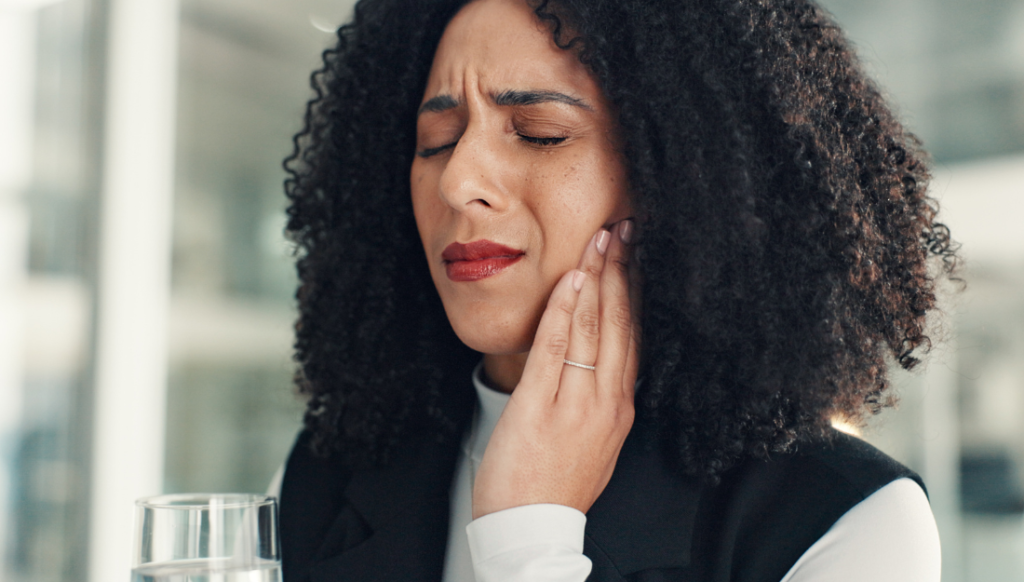
Chronic stress doesn’t just affect your sleep, your mood, or your heart — it has a direct, measurable impact on your oral health, and most people never make the connection until the damage is already done. The mouth is acutely sensitive to the hormonal and behavioral changes that accompany prolonged stress, making it one of the first places in the body where the physical consequences appear. At Stovall Dental in Goldsboro, NC, we believe that understanding this connection is one of the most empowering things a patient can do for their long-term dental health. If you’ve been looking for a dentist in Goldsboro who brings this kind of context to your care, read on.
Four Ways Chronic Stress Harms Your Oral Health
Stress affects the mouth through several overlapping pathways — some biological, some behavioral. Understanding each one makes it easier to recognize the warning signs early and take action before minor issues become major ones.
1. Bruxism: Stress That Grinds You Down — Literally
Teeth grinding and jaw clenching — collectively called bruxism — are among the most physically destructive responses to stress. Because bruxism happens most often at night, many patients are completely unaware of it until their dentist notices the telltale signs: worn or flattened chewing surfaces, microfractures in the enamel, increased tooth sensitivity, or recession near the gumline.
The physical force generated during grinding can be three to ten times greater than normal chewing pressure. Over months and years, that force erodes enamel (which doesn’t regenerate), cracks teeth, and strains the temporomandibular joint — leading to jaw pain, clicking, and chronic headaches. A custom occlusal guard from Stovall Dental can protect your teeth while you sleep and relieve the muscular tension that builds up from sustained clenching.
2. Elevated Cortisol and Gum Disease
When cortisol levels remain chronically high, the immune system’s ability to fight infection is significantly weakened. In the mouth, this translates directly to increased vulnerability to the bacteria that cause gum disease. Patients under heavy psychological or occupational stress tend to develop gingivitis more easily, experience faster progression to periodontitis, and heal more slowly after treatment.
Inflammation is the common thread — stress amplifies it systemically, and the gum tissue is particularly susceptible. If you’ve noticed your gums bleeding when you brush, appearing darker red than usual, or feeling tender to the touch, chronic stress may be a contributing factor that deserves both medical and dental attention. The team at Stovall Dental can evaluate your gum health and recommend a care plan that accounts for all contributing factors.
3. Dry Mouth From Stress-Related Medications
Many adults managing chronic stress are also taking prescription medications — antidepressants, anti-anxiety agents, blood pressure drugs, or sleep aids — many of which share a common and underappreciated side effect: xerostomia, or dry mouth. When saliva production decreases, the mouth loses one of its primary defenses against tooth decay and gum infection. Saliva neutralizes the acids produced by oral bacteria, washes away food debris, and delivers minerals that strengthen enamel. Without adequate saliva flow, cavities can develop rapidly and in unusual locations.
If you’ve started a new medication and noticed your mouth feeling persistently dry, more frequent cavities at your checkups, or a burning sensation on your tongue, bring it up at your next visit. There are evidence-based strategies to manage dry mouth effectively, and patients in Goldsboro, NC can access those resources right here at Stovall Dental.
4. The Habit Spiral: When Self-Care Falls Apart
Beyond the physiological mechanisms, stress affects oral health through the choices we make — or stop making — when we’re overwhelmed. Oral hygiene routines become inconsistent. Nutritious meals get replaced with convenience foods and sugary snacks. Alcohol consumption increases. Smoking or tobacco use resumes after years of abstinence. And regular dental checkups, which can catch small problems before they grow, get postponed indefinitely.
This behavioral drift is human and understandable — but it compounds the biological damage already occurring. Even small steps toward maintaining routine, like keeping a toothbrush visible and committing to a single weekly flossing session to rebuild the habit, can make a genuine difference.
Don’t Wait for Pain to Tell You Something Is Wrong
Stress-related oral health damage is most treatable when it’s caught early — before cracks deepen, bone loss advances, or enamel erosion reaches the inner layers of the tooth. Routine exams are the most reliable way to stay ahead of problems that develop quietly.
At Stovall Dental, we’re proud to serve patients throughout Goldsboro, NC with attentive, whole-health dental care. Whether you’re due for a cleaning or noticing symptoms that concern you, our team is here to help. Reach out to Stovall Dental today — because the best time to protect your smile from the effects of stress is before they get worse.